Wearables – they’re pretty cool: how can you use them safely?
Safe devices
Wearables – or rather, the providers of these solutions – know where you work, where you live, where and for how long you sleep, and where you like to exercise – and depending on the features included, the providers may also have access to even more personal information.
What exactly are wearables?
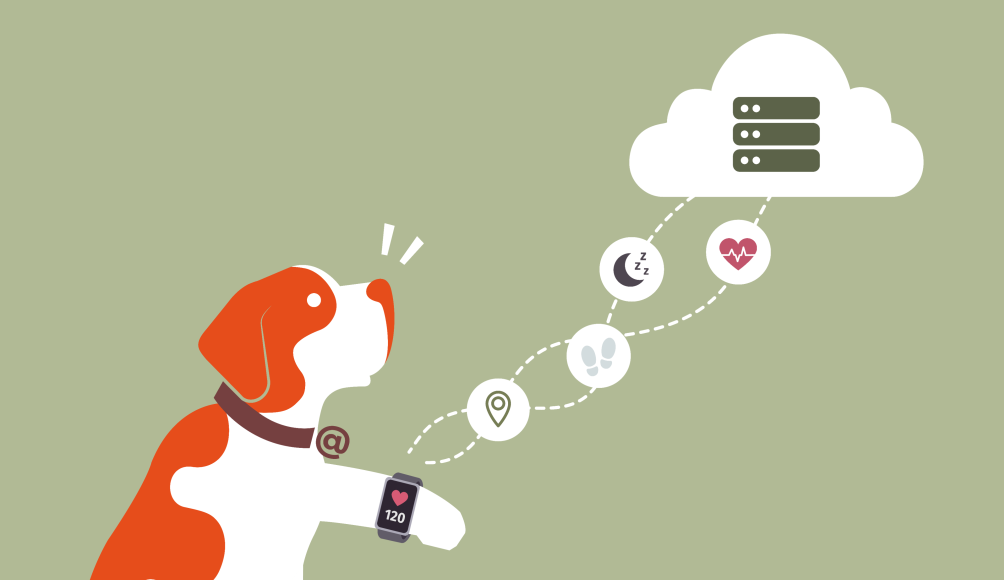
Wearables (smartwatches, fitness trackers and smart glasses) are intelligent, internet-enabled devices worn directly on the body. Using sensors, they record information about physical activity, health status and location, and in some cases also capture images and sound. These devices are becoming increasingly important and are part of many people’s everyday lives. Due to their technical capabilities, extensive data about users and third parties can be collected and processed.
However, this means they pose significant data protection and privacy risks. Of particular concern are the processing of sensitive health data, storage in cloud services and the potential collection of third-party data without their knowledge.
«Check carefully before you buy»
So what does this mean for me?
The use of wearables is widespread, and new devices with new functions are constantly appearing, some of which are also linked to AI. Alongside the benefits, their use also entails risks.
- The collection of sensitive data, such as health data, location and movement information. This can be used to create detailed personality and movement profiles.
- Misuse of location data to monitor and track individuals, including children.
- Discreet and unauthorised capture of photos, videos and audio recordings by smartwatches, and the potential for unjustified publication on social media.
- Loss of control over data when it is stored in cloud services specified by the providers.
- Security risks arising from inadequately protected data transfers, a lack of security updates or the use of default passwords
Simple tips to improve security
Careful product selection and a mindful approach to permissions and privacy settings are therefore essential. No one can guarantee 100 per cent security. The following tips can help you improve security and data protection:
Before purchasing
- Carefully check privacy policies and terms of use.
- Ensure that data is transmitted securely and that security updates are installed regularly.
- Check where and under what conditions data is stored and processed.
- Choose manufacturers who provide transparent information on data processing.
- Ensure that support and data protection contact points are available.
When using
- Carefully review app permissions and only grant necessary access.
- Set a secure password
- Make informed decisions about which data is collected and shared.
- Install software and security updates regularly
Protecting children
- Use location tracking and monitoring functions only in the child’s best interests.
- Respect children’s privacy and personal space.
- Regularly review the use of tracking functions to ensure they are necessary.
Protection of third parties
- Inform those affected before taking any photographs, videos or audio recordings.
- Respect the privacy of others and avoid covert recordings.
Additional information
- Advice from the German Federal Office for Information Security
- Advice from the Federal Data Protection and Information Commissioner (FDPIC)